HDDA 2026 SHORT COURSES – 15 AUGUST 2025 (SATURDAY)
Enhance your conference experience with our optional short courses! These specialized sessions go beyond the main program, offering you the chance to deepen your knowledge and gain practical skills from the experts. A separate registration fee applies. Visit the registration page to secure your spot.
Please note that the short courses will be offered exclusively face‑to‑face on site; therefore, your in‑person participation is required.
Course 1: Data Analytics in Microbiome Studies: From Raw Data to Discoveries

Assist. Prof. Abdulahad Bayraktar
(Istanbul University Cerrahpaşa)
09:00-10:30 Part 1
10:30-11:00 Coffee break
11:00-12:30 Part 2
12:30-13:30 Lunch Break
About Course
The human body has a strong interaction with microbiota, hosted on various tissue surfaces, feeding on foods, or wandering in the environment. Whereas many diseases are caused by viruses, parasitic or pathogenic microbes, and their byproducts, human health relies on the consistent activity of communal and symbiotic microbes. Interestingly, accumulating evidence indicates interactions between distant organs at health and disease through microbial activities. In this regard, microbiome research delves into microbe types and its molecular activities. Identifying condition-associated microbial taxons and produced metabolites are important goals of analyses.
The purpose of this course is presenting basic aspects of microbiome data analysis, ranging from taxonomic abundance to functional enrichment. Course takers will experiment on microbiome data using R packages in RStudio, generate informative visuals, and learn how to interpret relevant information.
Course 2: Single-Cell RNA-seq Data Analysis: From Raw Reads to Biological Insight
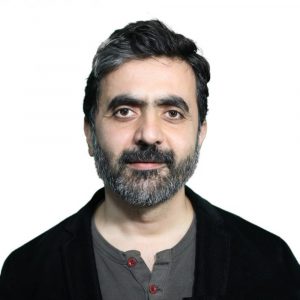
Assoc. Prof. Muhammed Erkan Karabekmez
(Istanbul Medeniyet Üniversitesi)
13:30-15:00 Part 1
15:00-15:30 Coffee break
15:30-17:00 Part 2
About Course
This short course is designed as a two-session training that provides both the theoretical foundations and practical skills required for single-cell RNA-seq data analysis. The course begins with an overview of the experimental workflow and core analytical concepts, helping participants understand the methodological logic behind each step of the pipeline. Following the theoretical background, participants will engage in a guided hands-on demonstration in R using the Seurat framework. The training will walk through essential analysis steps, including quality control, normalization, dimensionality reduction, clustering, and basic downstream interpretation. Emphasis will be placed on developing an intuitive understanding of how computational choices influence biological conclusions. By the end of the course, attendees will have a clear roadmap for transforming raw sequencing data into meaningful biological insight.